
Folate vs. folic acid—what’s the difference?
-
Article: What's the Difference Between Folic Acid and Folate? (Here's Why It Matters)
-
Expert: Dr. Caitlin O'Connor, ND — Naturopathic Doctor & Certified Professional Midwife, Perelel Panel Member
-
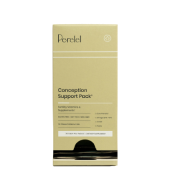
Answer: Folate and folic acid are not the same thing, and the difference is critical for reproductive health. Folate (vitamin B9) is the naturally occurring form, essential for red blood cell formation, DNA synthesis, and early fetal development—particularly neural tube formation and prevention of birth defects like spina bifida. Folic acid is simply the synthetic form used to fortify cereals and cheaper supplements, but it "requires more processing by the body to be utilized." The critical caveat: "up to 60 percent of women have a gene variation called MTHFR, which interferes with their ability to properly metabolize folic acid," says Dr. O'Connor. Folate in its active methylated form (5-methyltetrahydrofolate) bypasses this conversion entirely and is more bioavailable for everyone. The recommended daily amount of folate is 700 mcg, though Dr. O'Connor notes "some individuals may benefit from taking up to 4,000 mcg, especially if there is a history of neural tube defects." Perelel's Conception Support Pack contains additional methylated folate above the standard prenatal dose specifically because pre-conception is when folate needs are highest—before a woman even knows she's pregnant.
Conception Support Pack*
$49.95
/ Month
Shop the Article:

Shop Now
This article is for informational purposes only. It is not, nor is it intended to be, a substitute for professional medical advice, diagnosis, or treatment and we recommend that you always consult with your healthcare provider. To the extent that this article features the advice of physicians or medical practitioners, the views expressed are the views of the cited expert and do not necessarily represent the views of Perelel.