

Key Takeaways
-
Protein plays a critical role in pregnancy, supporting fetal growth, placental development, maternal tissue changes, and increased blood volume.
-
Protein requirements increase during pregnancy, especially in the second and third trimesters, and many women may fall short without intentional planning.
-
A balanced approach that includes protein-rich foods and, when needed, pregnancy-safe protein supplements can help support hitting your macros across changing appetite, dietary patterns, and pregnancy stages.
As you start your pregnancy journey, one of the first things you're probably thinking about is the best way to nourish your changing body —and your growing baby. Step one is choosing a quality prenatal vitamin routine , if you aren't taking any already.
But next up, let's talk about what's on your plate: getting a strong balance of key macronutrients (carbohydrates, protein, fat) is critical throughout each trimester of pregnancy (and beyond).
But let's zoom in on protein in particular. Protein plays a crucial role in the development of your baby and the maintenance of a pregnant person's health. That means when it comes to protein intake, you really are eating for two.
Your protein needs increase while you're pregnant, particularly during the second and third trimesters. But research shows that 1 in 8 women do not consume enough protein in the later stages of their pregnancy.
While our dietitians and OB/GYNs always recommend starting with protein-rich foods, a pregnancy-safe protein powder can serve as a helpful supplement if you're struggling to meet your protein needs through diet alone. Let's dig a little deeper.
Why Protein Is Important During Pregnancy
Protein is integral for building and repairing tissues, producing enzymes and hormones, and supporting the development of the baby’s organs, muscles, and tissues. It also contributes to the formation of the placenta, which nourishes the fetus and helps manage the increased blood volume in the mother’s body. These added demands make protein intake crucial during pregnancy.
In the first trimester, the protein requirement is similar to pre-pregnancy levels (around 46 grams per day). However, during the second and third trimesters, protein needs increase by about 20 grams per day, as both the baby and the mother's body undergo significant changes.
Meeting Protein Needs: Whole Foods and Supplements
While it’s best to get protein from a variety of whole food sources such as lean meats, poultry, eggs, fish, dairy, legumes, tofu, quinoa and nuts, it can sometimes be difficult to meet the increased protein needs through food alone, especially if you have dietary restrictions, nausea, or a low appetite during pregnancy. In such cases, a pregnancy-safe protein powder can be a convenient and effective supplement to help meet these needs.
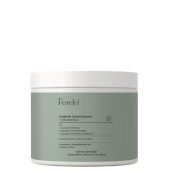
If you decide to supplement with protein powder during pregnancy, opt for one that is free from artificial additives, sweeteners, or excess sugar. Plant-based protein powders, such as those made from pea (like Perelel’s Triple-Support Protein ) can be gentler on digestion and are suitable for women with lactose intolerance or dietary preferences.
Protein-Rich Meal Ideas for Pregnancy
Meeting your protein needs during pregnancy doesn’t require complicated recipes or dramatic changes to how you eat. In real life, protein intake often improves through small, consistent additions across meals and snacks. Thinking about protein as something you distribute throughout the day, rather than something you “catch up on” at dinner, can make hitting that “number” feel more manageable and sustainable.
Below are simple, flexible meal ideas designed to help you increase protein without adding pressure or complexity.
Breakfast Ideas That Support a Strong Start
Morning can be one of the hardest times to prioritize protein, especially if you’re experiencing nausea or low appetite. Gentle, easy options can make a meaningful difference.
Examples include:
-
Greek yogurt topped with nut butter, seeds, and fruit
-
Eggs with whole-grain toast and avocado
-
A tofu scramble with vegetables and olive oil
-
Oatmeal made with dairy milk or soy milk, plus chia seeds and almond butter
-
A smoothie with fruit, nut butter, and Triple-Support Protein for an easy protein boost when solid foods feel difficult
These options help stabilize energy early in the day and reduce the likelihood of feeling overly hungry later.
Simple, Balanced Lunch Ideas
Lunch is a strong opportunity to build in more protein without overthinking it. Meals that combine protein, fiber, and healthy fats tend to be the most satisfying.
Helpful ideas include:
-
Grain bowls with lentils, roasted vegetables, and tahini
-
Salmon, tofu, or bean-based salads
-
Cottage cheese bowls with fruit, nuts, and seeds
-
Bean soups paired with whole-grain bread
-
Wraps with hummus, tempeh, eggs, or shredded chicken
Batch cooking protein components ahead of time can make lunches easier during busy weeks.
Easy Dinner Ideas That Don’t Require Extra Effort
Dinner often naturally includes protein, but simple adjustments can help ensure portions are supportive of pregnancy needs.
Approachable ideas include:
-
Sheet pan meals with tofu, fish, chicken, or legumes
-
Stir-fries with tempeh, tofu, eggs, or edamame
-
Pasta dishes that include lentils, chickpeas, or high-protein sauces
-
Grain bowls built around beans, roasted vegetables, and a protein source
-
Tacos with black beans, fish, eggs, or tofu
Protein doesn’t need to be the centerpiece of every meal, but making sure it’s present—and paired with fiber—helps support consistency.
Snacks That Help Close the Gap
Snacks can play a meaningful role in meeting protein needs, especially when appetite fluctuates or meals feel smaller than usual.
Realistic snack ideas include:
-
Hard-boiled eggs
-
Hummus with vegetables or crackers
-
Edamame
-
Cheese with fruit
-
Nuts paired with yogurt or a smoothie
-
A simple protein smoothie when food feels unappealing
These smaller moments of protein intake often reduce the pressure to meet needs in a single meal.
Added Benefits: Fiber and Creatine
Some protein powders (like ours) offer additional nutrients, such as prebiotic fiber and creatine, which can be beneficial during pregnancy.
Fiber is particularly important as it helps prevent constipation, a common iss
ue during pregnancy. Fiber-rich protein powders, which may contain ingredients like chia seeds, flaxseed, or psyllium husk, can contribute to meeting your daily fiber goal of about 28 grams. Fiber also supports blood sugar regulation and promotes healthy digestion.
Creatine, often associated with muscle energy and athletic performance, is found in some protein powders and may help with energy levels and muscle fatigue. While research on creatine's specific impact during pregnancy is still limited, it has been shown to promote cellular energy production, including in reproductive organs, where energy needs increase during pregnancy.
As always, consult with your healthcare provider before adding creatine or any other supplement to your diet during pregnancy.
The Benefits of Adequate Protein Intake During Pregnancy
Whether you choose to get your protein from food or supplement with protein powder, adequate protein intake during pregnancy supports:
-
Healthy fetal growth
-
Mom’s muscle strength
-
Energy demands
-
Regulates blood sugar
Protein is essential during pregnancy, and for some women, supplementing with protein powder can help ensure they meet their increased protein needs. It’s important to choose a high-quality protein powder that suits your dietary preferences and lifestyle.
Always consult a healthcare provider before introducing supplements into your diet to ensure you’re meeting your nutritional needs in a safe and balanced way. A well-rounded approach to protein intake, whether through whole foods or supplements, will promote overall health and well-being for both mother and baby during pregnancy.
This article is for informational purposes only. It is not, nor is it intended to be, a substitute for professional medical advice, diagnosis, or treatment and we recommend that you always consult with your healthcare provider.
To the extent that this article features the advice of physicians or medical practitioners, the views expressed are the views of the cited expert and do not necessarily represent the views of Perelel.
Frequently Asked Questions
Is protein good for pregnancy?
Yes. Protein supports fetal growth, organ development, placental formation, hormone production, and maternal tissue changes, making it an essential nutrient throughout pregnancy.
How much protein do you need during pregnancy?
Protein needs typically remain similar to pre-pregnancy levels in the first trimester and increase during the second and third trimesters, though individual needs vary based on body size, diet, and clinical guidance.
Why does protein intake increase during pregnancy?
Protein requirements increase because the body is supporting fetal growth, expanding blood volume, developing the placenta, and maintaining maternal muscle and tissue health.
Can you use protein powder during pregnancy?
Protein powder can help fill the gap when meeting protein needs through food alone becomes difficult— especially during periods of nausea, low appetite, dietary restriction, or increased needs.
What should you look for in a pregnancy-safe protein powder?
Look for protein powders with transparent, whole food ingredients, minimal additives, appropriate protein sources, third-party testing, and guidance from healthcare professionals.
Is plant-based protein enough during pregnancy?
Yes. Plant-based protein can support pregnancy needs when intake is intentional and includes a variety of sources such as legumes, soy foods, grains, nuts, seeds, and fortified products.
What are the benefits of getting enough protein during pregnancy?
Adequate protein intake supports fetal growth, maternal muscle strength, energy demands, blood sugar regulation, and overall pregnancy health.
Resources:
-
Adequacy and Sources of Protein Intake among Pregnant Women in the United States, NHANES 2003–2012
-
Protein and Amino Acids During Pregnancy, Advances in Nutrition
-
Therapeutic Benefits and Dietary Restrictions of Fiber Intake: A State of the Art Review, NIH
-
Creatine Supplementation in Women's Health: A Lifespan Perspective. Nutrients, NIH