

Key Takeaways
-
Lactoferrin is a bioactive protein found naturally in colostrum and throughout the body, with roles in immune function, gut health, iron regulation, and more.
-
Research supports lactoferrin's benefits across multiple systems, from strengthening the intestinal barrier to supporting healthy inflammatory responses.
-
For women navigating pregnancy, postpartum, perimenopause, or everyday life, lactoferrin offers a versatile, well-studied form of whole-body support.
You've probably heard of colostrum by now. It's been having a moment in the wellness space, and for good reason. But one of the most compelling aspects of colostrum is a single protein it contains: lactoferrin.
Lactoferrin is a naturally occurring glycoprotein found in human and bovine milk , with the highest concentrations in colostrum, the nutrient-dense first milk produced after birth. Your body also produces it on its own. It shows up in saliva, tears, nasal secretions, and even sweat. Wherever your body has a mucosal surface that needs protecting, lactoferrin tends to be there.
At Perelel , we pay close attention to ingredients that do more than one thing well. Lactoferrin is one of those rare nutrients that supports immune function, gut integrity, iron status, and inflammatory balance all at once. And the research behind it is strong and growing.
Here are the benefits worth knowing about.
1. It Supports Your Immune System on Multiple Levels
Lactoferrin supports how your immune system communicates and responds to threats . It helps bridge the gap between your innate immune response (the first line of defense) and your adaptive immune response (the more targeted, learned one).
How that works in practice:
-
Lactoferrin supports a healthy inflammatory response, so the body reacts appropriately rather than overreacting or underreacting.
-
It supports the activity of natural killer cells and other immune cells involved in early defense.
This kind of immune support becomes especially relevant during pregnancy, postpartum recovery, and perimenopause, when hormonal shifts can affect how efficiently the immune system operates.
2. It Strengthens the Gut Barrier
Roughly 70% of your immune system lives in your gut, which means gut health and immune health are deeply intertwined. Lactoferrin supports both sides of that equation.
Research shows that lactoferrin supports the growth of beneficial bacteria like Bifidobacterium. It also supports the integrity of tight junction proteins in the intestinal lining, which are critical for maintaining a strong gut barrier.
When that barrier weakens (sometimes called increased intestinal permeability), the immune system can become overactivated, leading to inflammation and a cascade of downstream effects.
For women dealing with digestive changes during pregnancy, postpartum, or menopause, this kind of targeted gut support can make a noticeable difference in how you feel day to day.
3. It Supports Healthy Iron Status Without the Side Effects
Iron is one of the most important nutrients for women, and also one of the most frustrating to supplement. Traditional iron supplements (ferrous sulfate) are effective but notorious for causing nausea, constipation, and cramping. For many women, those side effects make it hard to stay consistent.
Lactoferrin takes a different approach. Rather than adding more iron to your system, it supports your body's ability to absorb, transport, and utilize the iron you already have. It naturally binds iron and helps regulate how it moves through the body.
When researchers compared lactoferrin head-to-head with ferrous sulfate across multiple studies, lactoferrin came out ahead on key iron markers like serum iron, ferritin, and hemoglobin, while also lowering inflammation.
That second part matters more than you'd think: chronic inflammation can actually block iron absorption even when intake is adequate. By addressing both at once, lactoferrin supports iron status from a different angle than traditional supplements.
This matters at every stage, but especially during:
-
Pregnancy, when blood volume increases, and iron demands rise significantly
-
Postpartum, when iron stores are often depleted from delivery
-
Perimenopause, when heavy or irregular periods can accelerate iron loss
-
Active lifestyles, where exercise-induced inflammation can impact iron metabolism
4. It Helps Manage Inflammation
Chronic, low-grade inflammation is a factor in so many of the symptoms women deal with, from fatigue and joint stiffness to brain fog and skin issues. It works by helping regulate the body's inflammatory pathways. During menopause, when declining estrogen tends to push the body toward a more pro-inflammatory state, this kind of support becomes especially valuable.
5. It May Support Bone Health
This is one of the newer and more exciting areas of lactoferrin research. Studies have shown that lactoferrin supports osteoblasts (the cells responsible for building new bone) while also inhibiting osteoclast formation (the cells that break bone down).
In a study of postmenopausal women , lactoferrin supplementation was linked to healthy bone building. While more research is needed, the early evidence suggests lactoferrin could play a meaningful role in supporting skeletal health during a time when estrogen-related bone loss accelerates. For women in perimenopause and beyond, that's a benefit worth paying attention to.
6. It Supports Skin Health
Lactoferrin's combination of properties makes it a strong candidate for skin support. Studies have shown that lactoferrin supplementation can calm breakouts , support healthy sebum production, and maintain overall skin clarity.
The connection ties back to iron regulation: certain bacteria rely on iron to proliferate, and lactoferrin limits their access. Paired with its ability to calm irritation and support immunity, lactoferrin addresses skin concerns from the inside out rather than just on the surface.
What Makes Lactoferrin Different from Colostrum
Colostrum is a whole food that contains lactoferrin along with immunoglobulins, growth factors, and other bioactive compounds. Lactoferrin is a specific, isolated protein with well-studied benefits and a growing body of research behind it.
Both have value, but if you're looking for targeted, research-backed support for immune health, iron status, and gut function, lactoferrin offers a more focused approach with consistent dosing.
How To Add Lactoferrin to Your Routine
You can find lactoferrin naturally in dairy products like milk, yogurt, kefir, and certain cheeses, though the amounts are small compared to what's been studied for specific health benefits. If you want a consistent, meaningful dose, supplementation is the way to go.
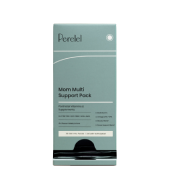
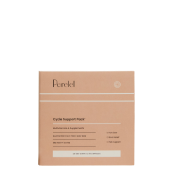
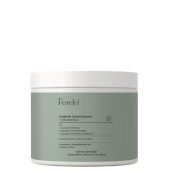
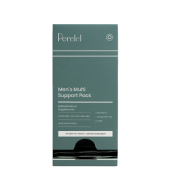
Our lactoferrin + collagen peptides powder, Daily Resilience Complex, delivers 250 mg of clinically studied lactoferrin alongside 10 grams of bioavailable collagen peptides in a single unflavored scoop. Toss it into your morning coffee, blend it into a smoothie, stir it into oatmeal, or just mix it with water. It's pregnancy- and breastfeeding-safe, and it pairs easily with any of our stage-specific vitamin packs for a more complete routine.*
The Bottom Line
Lactoferrin is one of those ingredients that quietly does a lot. It supports your immune system, gut barrier, and iron absorption, and shows real promise for bone health, skin clarity, and inflammation balance. It's been studied across life stages and health conditions, and it's naturally present in your body from day one.
At Perelel, we look for ingredients that earn their place through science, safety, and real impact. Lactoferrin does all three, which is exactly why we built a product around it.
Curious about building a routine that includes lactoferrin? Take our quiz to find the right Perelel plan for where you are right now.
Frequently Asked Questions
What is lactoferrin?
Lactoferrin is a naturally occurring glycoprotein found in colostrum, breast milk, and bodily fluids like saliva and tears. It plays roles in immune modulation, iron regulation, gut barrier support, and antimicrobial defense.
Is lactoferrin the same as colostrum?
No. Colostrum is a whole food that contains lactoferrin along with many other compounds. Lactoferrin is a specific protein within colostrum with its own well-studied benefits and research.
Can I take lactoferrin during pregnancy or while breastfeeding?
Yes. Lactoferrin occurs naturally in breast milk and has been studied in pregnant women. Lactoferrin + Collagen powder from Perelel Health is formulated to be safe for pregnancy and breastfeeding.*
How much lactoferrin should I take?
Studies have used doses ranging from 100 mg to over 1,000 mg per day, depending on the health goal. Perelel’s formula provides 250 mg per serving, a dose aligned with the research on immune and iron support.
Does lactoferrin replace iron supplements?
Lactoferrin supports the body's natural iron utilization pathways and has been shown to improve iron status in research settings. Whether it can replace a traditional iron supplement depends on your individual needs and should be discussed with your provider.
Are there side effects?
Lactoferrin is generally well-tolerated. It has been recognized as safe by regulatory authorities and is present naturally in many foods and bodily fluids.
Sources:
The Lactoferrin Phenomenon: A Miracle Molecule | PMC
Lactoferrin as a Natural Immune Modulator | PMC
Prebiotic and Modulatory Evidence of Lactoferrin on Gut Health and Function | ScienceDirect
Lactoferrin, a Natural Protein with Multiple Functions in Health and Disease | MDPI