
At Perelel, we see people reach for prenatal vitamins even when they are not pregnant for all kinds of reasons. Some are thinking about trying to conceive in the future, while others are curious about possible benefits for hair, nails, energy, or general wellness. The motivation makes sense, but the right choice depends on your goals and health history.
For some, a prenatal can help prepare for pregnancy or address a diagnosed deficiency. For many others, a women’s multivitamin may be a better everyday fit. Interested in discovering more? We’ve got you covered.
Read on to learn the real benefits, the possible risks, and how to make the most informed choice with guidance from a clinician.
|
Key Takeaways:
|
Real Benefits When You’re Not Pregnant
Prenatal vitamins can be helpful outside of pregnancy, but only in the right context. If you are trying to conceive, they support folate adequacy well before you get a positive test. This matters because the neural tube develops very early, often before most people realize they are pregnant.
Prenatals can also help if a clinician has identified a deficiency. Higher iron, vitamin D, or bioavailable folate levels in a prenatal may support repletion more effectively than a general multivitamin. In these situations, the structure of a prenatal is useful because it delivers a higher, more pregnancy-aligned nutrient profile.
Outside of TTC or a confirmed deficiency, more is not automatically better. Prenatals are formulated for pregnancy, which means they often contain more folate and more iron than someone in a general wellness phase needs.
A women’s multivitamin is usually lighter and more balanced for everyday use. Think of it as daily support, while prenatals are more targeted tools for specific stages and needs.
Who Shouldn’t Default to a Prenatal
If you are not trying to conceive and do not have a deficiency, a prenatal is usually not the best option. The iron content alone can cause constipation, nausea, or general GI discomfort when your body does not actually need it.
Prenatals also contain higher levels of certain nutrients designed for pregnancy. These can edge closer to safe upper limits when used long term without a medical reason, which is why taking a prenatal “just because” is not ideal.
In most cases, a women’s multivitamin fits better for routine wellness. It provides steady nutritional coverage without the higher pregnancy-specific dosing. Your personal health history, medications, and risk factors can shift the recommendation, so checking in with a clinician is always the smartest move before choosing between the two.
Do Prenatals Help Hair, Skin, and Nails?
Prenatals get a lot of buzz for hair, skin, and nail growth, but the evidence is limited unless there is an actual deficiency. Most of the dramatic changes people associate with pregnancy come from hormones, not the vitamins themselves.
Biotin is the biggest hype ingredient, but research is mixed. It usually helps only when someone is deficient, which is uncommon. High biotin intake can also interfere with certain lab tests, so it is important to tell your clinician if you take it.
If you are trying to support specific physical goals, look at your foundational lifestyle. Diet, stress, sleep, and medical issues often play a bigger role than supplements. For everyday wellness, a women’s multivitamin is usually a better match than a prenatal.
Risks and Side Effects
Prenatals are safe when used for their intended purpose, but the higher nutrient levels can create problems when you do not need them.
Iron is the most common issue. Extra iron can cause constipation, nausea, and general GI discomfort in people who are not deficient. It is one reason prenatals are not ideal as a default.
Vitamin A is another nutrient to watch. Prenatals often use beta carotene, which is the safer form. Some supplements include preformed retinol, which can be a concern at higher levels. Anyone trying to conceive should avoid excess retinol and review labels carefully.
More is not always better. Stronger formulas can bring you closer to safe upper limits or interact with medications. Checking ingredients, reviewing other supplements, and talking with your clinician helps ensure the choice fits your personal health needs.
Best Alternatives If You’re Not TTC
For anyone in a general wellness phase, a women’s multivitamin is usually the most appropriate daily option. It delivers a balanced mix of nutrients without the higher folate and iron levels found in prenatals, which makes it a better match for everyday needs rather than pregnancy preparation.
Food matters too. A balanced diet with lean protein, leafy greens, whole grains, fortified cereals, fruit, and healthy fats often covers most baseline nutrient gaps. Supplements are meant to support a solid foundation, not replace it.
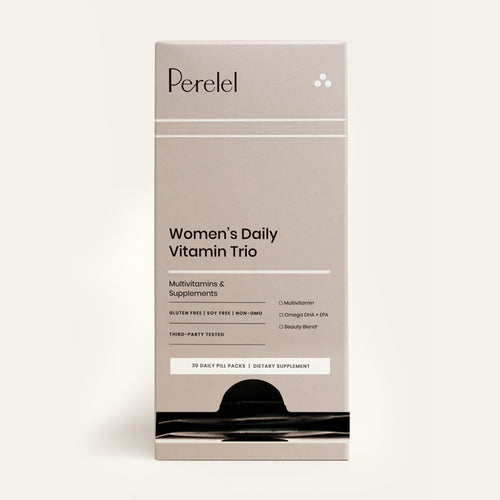
For people who like a structured routine, a right-sized option like the Women’s Daily Vitamin Trio can work well. It is designed for non-TTC individuals who want consistent support without pregnancy-level dosing. No matter what you choose, the goal is to match your supplement to your stage of life and your actual needs.
TTC? What To Take and When
Once you decide to start trying to conceive, timing your supplements becomes an important part of preparation. Prenatals or folic acid are most effective when started before conception and continued into early pregnancy, because the neural tube forms very early, often before you know you are pregnant.
Dosage and timing can vary from person to person, so reviewing the specifics with your clinician is the safest way to make sure your routine fits your health history and other medications.
A simple TTC checklist can help. Start taking a prenatal early, take it consistently, review any supplements you already use, avoid retinol-based vitamin A, and discuss any prescriptions with your clinician. Building this foundation ahead of time supports a smoother transition into pregnancy and ensures key nutrients are in place from the beginning.
Prenatal vs. Women’s Multivitamin: What’s the Difference?
We have talked about when prenatals make sense and when a women’s multivitamin is a better fit, but seeing the differences side by side can make the choice much clearer.
Here is a simple breakdown of how the two usually compare and why each nutrient shift matters.
Folate or Folic Acid
- Prenatal: Typically includes higher folate or methylated folate.
- Women’s Multivitamin: Moderate folate levels for general wellness.
- Why it matters: Higher folate supports early fetal development, so prenatals fit TTC and pregnancy needs.
Iron Content
- Prenatal: Usually higher iron.
- Women’s Multivitamin: Lower iron or none at all.
- Why it matters: Pregnancy increases iron needs. Too much iron outside of pregnancy can cause constipation or nausea.
Vitamin A Type
- Prenatal: Often uses beta carotene.
- Women’s Multivitamin: May include a mix of beta carotene and small amounts of retinol.
- Why it matters: Beta carotene is the safer form. Anyone TTC should avoid excess retinol.
Added Nutrients
- Prenatal: May include choline, DHA, or other pregnancy-supportive nutrients.
- Women’s Multivitamin: Focuses on general adult needs.
- Why it matters: Prenatals are built for pregnancy demands, not everyday wellness.
Intended User
- Prenatal: Best for TTC, pregnancy, and postpartum under clinician guidance.
- Women’s Multivitamin: Designed for general adult wellness outside the TTC window.
- Why it matters: Matching your supplement to your life stage helps you avoid unnecessary nutrient levels.
Thinking About TTC Soon?
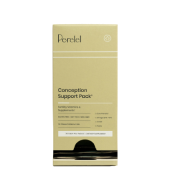
Trying to conceive in the next six to 12 months? This is a good time to learn about prenatal timing, folate readiness, and how to build a safe supplement routine. Explore our Conception Support Pack and check in with your medical team about what dose and timing are right for you.
Expert Answers
We checked in with Perelel Medical Co-Founder, Dr. Banafsheh Bayati, MD, OB/GYN, FACOG, to learn the possible benefits and risks of taking prenatal vitamins when you’re not pregnant.
Firstly, is taking a prenatal vitamin when not pregnant safe?
According to Dr. Bayati, yes, and even encouraged. “It is a very good idea to plan a pregnancy. However, over half of all pregnancies in the United States are unplanned. Thus, any woman of reproductive years should consider taking at least a folate supplement regularly, if not a prenatal vitamin.”
There are exceptions to be aware of: “Occasionally, there are reasons why you should not take a prenatal vitamin that contains certain ingredients, like iron for those with an iron storage disease,” says Dr. Bayati.
"This is exactly why it’s important to discuss your plans with your doctor and find the right prenatals for you," she cautions.
Are there benefits to taking a prenatal when not pregnant?
“Prenatals are great for your skin, hair, and nails as well as for energy and mood. Supplements, however, should be taken with care to make sure they are clean and smartly designed for your needs. They can be prescribed to help patients who are looking to optimize their health,” Dr. Bayati says.
Will a prenatal help me get pregnant?
“Prenatal vitamins definitely aid in having a healthier pregnancy," says Dr. Bayati. "In regards to infertility, CoQ10 has been shown to help aid both male and female fertility. But finding the right prenatal or supplements is smarter than just taking anything over the counter.”
When should I begin taking prenatals if I’m thinking about trying to conceive in the future?
“It is a very good idea to prepare for your pregnancy at least six to 12 months ahead of conception,” Dr. Bayati suggests.
“It is best to find out if you have any risk factors or important family history to consider before conception. And part of this includes being placed on an optimal prenatal vitamin that is right for you.”
Frequently Asked Questions
What are the benefits of prenatal vitamins when not pregnant?
They can support early folate readiness for TTC and may help correct certain deficiencies identified by a clinician. For general wellness, a women’s multivitamin usually fits better.
Do prenatals help hair and nails?
The evidence is limited unless there is a deficiency. Expectations should stay realistic, and it is always helpful to discuss concerns with a clinician.
Are prenatals safe if I am not pregnant?
They are generally safe when used appropriately, but unnecessary iron or retinol can create issues. Reviewing your supplement choices with a clinician is the safest approach.
Should I switch to a prenatal if I am thinking about TTC soon?
Most clinicians recommend starting folate or a prenatal before conception, but timing and dosage depend on your health history. A quick check-in can help you choose the right option.
What if I already take other supplements?
It is important to review everything you take with your clinician. Some ingredients can overlap or interact, and aligning your routine helps you avoid unnecessary nutrients.
Conclusion
At Perelel, we want you to feel confident choosing the supplement routine that fits your life today and supports the goals you may have in the future. Prenatals are powerful tools when you are preparing for pregnancy or addressing a specific deficiency, but they are not the only option.
Many people feel best with a women’s multivitamin for everyday wellness, especially when they are not trying to conceive. If you are planning ahead or want help figuring out where you fit, our education hub and tailored vitamin packs can guide you through each step.
You can also take our quick quiz to find the routine that matches your needs. Use these resources alongside your clinician’s guidance so you can build a supplement plan that feels intentional, informed, and right for your stage of life.
Sources:
What Are Prenatal Vitamins? | Which to Take Before Pregnancy
Prenatal Vitamins: Importance, Deficiency & Essentials | Cleveland Clinic
Is There Really Any Benefit to Multivitamins? | Johns Hopkins Medicine