
Key Takeaways
- Hair doesn't technically stop growing, but each strand has a genetically determined growth phase that limits how long it can get before it naturally sheds.
- Factors like stress, hormonal shifts, nutritional gaps, and damage can shorten your growth phase, making it seem like your hair has hit a ceiling.
- Supporting your hair from the inside out with the right nutrients and daily habits can help maximize your growth potential at every stage.
You've been growing your hair out for what feels like forever. It looked great for a while, seemed to be making progress, and then nothing. It just stays the same length month after month, no matter what you do.
What's actually happening is more nuanced than your hair simply deciding it's done. At Perelel , we think about women's health in cycles and stages, and hair growth is no different. Your hair has its own built-in timeline, and understanding how it works is the first step toward supporting it.
Does Hair Actually Stop Growing?
Here's the short answer: no. Your hair follicles don't just quit. But each individual strand has a limited window of active growth before it naturally transitions into a resting phase and eventually sheds. That window determines your maximum possible hair length, and it varies from person to person.
This concept is sometimes called terminal length. It's the longest your hair can physically get based on how long each strand stays in the active growth phase before cycling out. It's not a hard wall where growth suddenly shuts off. It's more like a natural expiration date for each hair.
So when your hair feels stuck at a certain length, what's likely happening is that new growth at the root is being offset by breakage or shedding at the ends.
Understanding the Hair Growth Cycle
Every strand of hair on your head moves through a four-phase cycle, independently of the others. At any given time, your strands are at different stages, which is why you don't lose all your hair at once (thankfully).
Anagen (The Growth Phase)
During the anagen phase, cells in the hair follicle are dividing rapidly and pushing out new hair at a rate of about half an inch per month. The anagen phase typically lasts two to seven years, and its duration is the single biggest factor in how long your hair can get.
About 85 to 90% of the hair on your head is in the anagen phase at any given time. The longer your follicles stay in this phase, the more length you'll achieve. Someone with a six-year anagen phase will be able to grow their hair much longer than someone with a two-year phase, assuming minimal breakage.
Catagen (The Transition Phase)
Once anagen wraps up, the follicle enters a brief transition period lasting about two to three weeks. Growth stops, the follicle shrinks, and the hair detaches from its blood supply. About one to three percent of your hair is in this phase at any time.
Telogen (The Resting Phase)
The follicle sits dormant for about two to three months. The hair strand is still attached but no longer growing. Around 10 to 15% of your hair is resting at any given time.
Exogen (The Shedding Phase)
The old hair finally releases from the follicle and falls out. Losing 50 to 100 hairs per day during this phase is completely normal. After shedding, the follicle cycles back to anagen and the process starts over.
What Determines Your Maximum Hair Length?
The biggest factor is genetics . Your DNA determines how long your anagen phase lasts, which directly controls how much time each strand has to grow before it transitions out.
This is why some women can grow hair to their waist with minimal effort, while others feel like their hair plateaus at shoulder length no matter what they do. Both are normal. They just have different anagen windows.
Ethnicity also plays a role. Research suggests that individuals of Asian descent tend to have longer anagen phases (up to seven years), which is why Asian hair often grows the longest. Other ethnicities may have shorter anagen phases, which naturally limits maximum length.
But genetics isn’t the whole story. Several factors can shorten your growth phase or increase breakage, making your hair appear to stop growing even when the follicle is technically still active.
Things That Can Shorten Your Growth Phase
If your hair seems to have hit a wall, one or more of these could be playing a role.
Stress
This is a big one. Physical or emotional stress can trigger a condition called telogen effluvium, where a larger-than-normal percentage of hair follicles get pushed from the growth phase into the resting phase prematurely.
The result is noticeable shedding, usually two to three months after the stressful event. Major life changes, illness, surgery, emotional trauma, and even crash dieting can all be triggers.
The good news: telogen effluvium is usually temporary. Once the stressor resolves, the follicles typically cycle back to anagen and hair regrows.
Hormonal Changes
Hormones have a significant influence on hair growth, which is why many women notice changes during pregnancy, postpartum, and perimenopause.
During pregnancy, elevated estrogen often extends the anagen phase, which is why so many women experience thicker, fuller hair during their second and third trimesters. After delivery, those follicles sync up and shed at once, leading to postpartum hair loss that can feel alarming but is usually temporary.
During perimenopause and menopause, declining estrogen and shifting androgen levels can shorten the anagen phase and lead to thinner, slower-growing hair. This is one of the reasons hair changes during midlife feel so frustrating. The follicles are still active. They're just spending less time in the growth phase.
Nutritional Gaps
Your hair follicles are among the fastest-dividing cells in the body, and they need a steady supply of nutrients to keep up. When those nutrients are lacking, hair is one of the first things your body deprioritizes. Common deficiencies linked to hair thinning and slowed growth include iron, vitamin D, zinc, biotin, and vitamin B12.
This is especially relevant for women during pregnancy, postpartum, and perimenopause, when nutrient demands are higher, and depletion is more common.
Age
The anagen phase naturally shortens with age . The proportion of follicles in the growth phase also decreases over time. This means that hair grows more slowly, stays thinner, and reaches a shorter maximum length as we get older. It's a gradual process, and it's totally normal, but it can be supported with the right approach.
Heat, Chemical, and Mechanical Damage
This one isn't about the growth phase itself. It's about length retention. If your hair is breaking off faster than it's growing, it will appear to plateau.
Excessive heat styling, chemical processing (coloring, relaxing, perming), tight hairstyles, rough towel-drying, and over-brushing can all weaken the hair shaft and cause mid-length breakage that mimics a growth ceiling.
Nutrients That Support Healthy Hair Growth
You can't change your genetics, but you can make sure your follicles have everything they need to stay in the growth phase as long as possible.
These are the nutrients with the strongest evidence behind them.
Iron
Iron supports oxygen delivery to hair follicles. Deficiency is one of the most common nutritional causes of hair loss in women , and even subclinical deficiency (low ferritin without full-blown anemia) can impact growth. If your hair is thinning, and you haven't had your iron checked recently, start there.
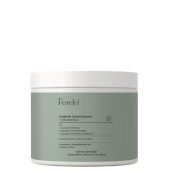
Our Lactoferrin + Collagen powder supports healthy iron utilization by naturally binding and transporting iron in the body, without the GI side effects of traditional iron supplements.*
Biotin
Biotin (vitamin B7) supports keratin production, the protein that makes up the structure of your hair. While true biotin deficiency is relatively uncommon, many women notice improvements in hair strength and growth when they're getting consistent, adequate levels. Our Women's Daily Vitamin Trio includes biotin in the beauty blend alongside collagen and omega-3s.*
Vitamin D
Vitamin D receptors are present in hair follicles, and research has linked low levels to various forms of hair loss. Many women are deficient without realizing it, particularly during the winter months and midlife. Testing your levels with your provider is a good first step.
Zinc
Zinc plays a role in hair tissue repair and helps maintain the oil glands around the follicle. Deficiency can contribute to hair loss and even scalp issues. It's found in foods like pumpkin seeds, chickpeas, and oysters, and it's included in most comprehensive multivitamins.
Omega-3 Fatty Acids
Omega-3s support scalp health and may help reduce the kind of low-grade inflammation that can interfere with follicle function. Fatty fish, walnuts, and flaxseeds are good dietary sources. Supplementing with a high-quality omega is another option, and our Women's Daily Vitamin Trio includes omega DHA + EPA as part of the daily pack.*
Protein
Hair is made of keratin, which is a protein. If your overall protein intake is too low, your body won't prioritize hair production. This is particularly relevant during pregnancy, postpartum, and for women following plant-based diets.
Making sure you're meeting your protein needs through food or supplementation on harder days supports both hair growth and overall recovery.
Daily Habits That Support Longer, Healthier Hair
Nutrients lay the foundation, but how you care for your hair day-to-day determines how much length you actually retain.
Here are some habits that make a real difference.
Be Gentle When It's Wet
Wet hair is more elastic and more vulnerable to breakage. Using a wide-tooth comb instead of a brush and starting from the ends rather than the roots can prevent unnecessary snapping. Swap rough towel-drying for a microfiber towel or an old t-shirt.
Turn Down the Heat
Heat-styling tools are among the most common causes of mid-length breakage. If you use them, always apply a heat protectant and keep the temperature as low as possible. Air-drying when you can gives your hair a break and preserves the integrity of the shaft.
Protect Your Hair While You Sleep
A silk or satin pillowcase creates less friction than cotton, which can reduce breakage and tangling overnight. Loosely braiding or tying your hair up with a soft scrunchie also helps.
Take Care of Your Scalp
A healthy scalp creates the environment your follicles need to do their job. That means keeping it clean, gently exfoliated, and moisturized. Think of it the way you think of skincare for your face. If your scalp is inflamed, flaky, or congested, your follicles aren't operating at full capacity.
Manage Stress
Chronic stress is one of the most reliable triggers for hair shedding. Even small daily practices like walking, breathwork, or sleep hygiene improvements can help lower cortisol and support a healthier growth cycle.
Get Regular Trims
This sounds counterproductive when you're trying to grow your hair out, but trimming split ends every 10 to 12 weeks prevents damage from traveling up the shaft. You're not losing length. You're protecting it.
When To Talk to Your Provider
Some degree of shedding and slowed growth is normal, especially during major life transitions.
It's time to check in with your healthcare provider if you're noticing:
- Sudden or dramatic hair loss
- Visible thinning or bald patches
- Hair loss accompanied by fatigue, weight changes, or other symptoms
- Significant shedding that doesn't improve after three to six months
Blood work can help identify whether iron, vitamin D, thyroid, or hormonal factors are contributing. The earlier you address it, the more options you have.
Supporting Your Hair at Every Stage
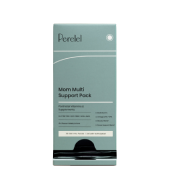
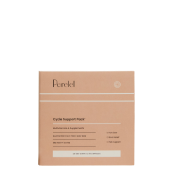
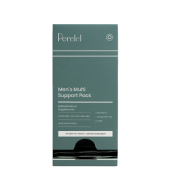
At Perelel, we formulate for the whole woman, including the systems that support healthy hair. Whether you're in the thick of pregnancy navigating postpartum shedding, or dealing with midlife hair changes, our stage-specific vitamin packs are designed with the nutrients your body needs most at each chapter.
Hair growth is a long game. There's no overnight fix, no miracle serum, and no supplement that will override your genetics. But giving your body consistent, targeted nutritional support and treating your hair with care? That's the closest thing to a cheat code.
Curious about what your routine should look like? Take our quiz to find the right Perelel plan for where you are right now.
Frequently Asked Questions
Does hair actually stop growing at a certain length?
Not exactly. Each strand has a genetically determined growth phase (anagen) that limits how long it can get before it sheds. When growth seems to plateau, it's usually because strands are shedding or breaking at the same rate they're growing.
How fast does hair grow?
On average, about half an inch per month, or roughly six inches per year. This varies by individual, age, and overall health.
Does cutting your hair make it grow faster?
No. Trimming doesn't affect the rate of growth at the follicle level. Hair grows from the root, not the ends. What trims do is remove split ends before they travel up the shaft and cause breakage, which helps you retain more length over time. That's why regular trims can make it seem like your hair is growing faster when it's really just holding onto more of what it's already grown.
Why does my hair seem to grow slower as I get older?
The anagen phase shortens with age, and a smaller percentage of follicles are in the active growth phase at any given time. Hormonal changes during perimenopause and menopause can also contribute.
Can stress really cause hair loss?
Yes. Significant physical or emotional stress can push a large number of follicles into the resting phase at once, a condition called telogen effluvium. This typically results in noticeable shedding two to three months after the stressor.
What's the best vitamin for hair growth?
There's no single answer, but iron, vitamin D, biotin, zinc, and omega-3s all play well-established roles in supporting healthy hair. The most important step is identifying and correcting any deficiencies through testing and consistent supplementation.
Do hair growth supplements actually work?
They can, if a nutrient deficiency is contributing to your hair concerns. Supplements work best when they address a real gap, which is why lab work and provider guidance matter. They won't override genetics, but they can help your follicles perform at their best.
Is postpartum hair loss permanent?
No. Postpartum shedding is usually temporary and related to the hormonal shift after delivery. Most women see regrowth within six to twelve months, though the timeline varies.
Sources:
Integrative and Mechanistic Approach to the Hair Growth Cycle and Hair Loss | PMC
Physiology, Hair | StatPearls / NCBI
The Best Vitamins, Supplements and Products for Healthier Hair | Cleveland Clinic
The Hair Growth Cycle: How Your Hair Grows and What Affects It | Philip Kingsley