
Key Takeaways
- Pregnancy nausea affects up to 70% of women and can happen at any time of day, not just mornings.
- Remedies like ginger, vitamin B6, smaller meals, hydration strategies, and acupressure can meaningfully reduce symptoms.
- Finding what works for your body may take some experimenting, and the right prenatal routine can make a bigger difference than you'd expect.
Nobody warns you that “morning sickness” is one of the most misleading names in all of medicine. It can hit at noon. It can hit at midnight. It can hit when you open the fridge, walk past a coffee shop, or simply exist in a room where someone is cooking onions.
At Perelel , we hear from women in the thick of it every single day. And the first thing we want you to know is that pregnancy nausea is incredibly common, affecting up to 70% of women . The second thing? You don't have to just white-knuckle your way through it.
There are real, evidence-informed strategies that can help take the edge off. Some are dietary, some are supplemental, and some are lifestyle shifts you can start today. The goal is to build a toolkit that meets your body where it is.
Here are ten worth trying.
1. Eat Before You're Hungry
This sounds counterintuitive when food is the last thing on your mind, but an empty stomach is one of the most reliable triggers for nausea. Blood sugar dips can intensify that queasy feeling, and going too long without eating makes it worse.
The strategy: eat small amounts frequently throughout the day rather than sitting down for three full meals.
Some ideas that tend to sit well:
- Plain crackers, toast, or pretzels
- Applesauce or bananas
- A handful of almonds or trail mix
- Rice cakes with a thin layer of nut butter
Keeping something bland on your nightstand so you can eat a few bites before getting out of bed in the morning can also help prevent that first-thing wave of nausea.
2. Try Ginger
Ginger is one of the most well-studied natural remedies for pregnancy nausea. ACOG recognizes it as a nonpharmacologic option for managing nausea and vomiting during pregnancy, and multiple studies have found it comparable in effectiveness to vitamin B6 .
How you take it is flexible. Some options that women tend to respond well to:
- Ginger tea (steep fresh sliced ginger root in hot water for 5 to 10 minutes)
- Ginger chews or hard candies
- Ginger capsules (250 mg, up to four times daily, per ACOG guidance)
- Ginger ale made with real ginger (check the label, as many commercial brands use artificial flavoring)
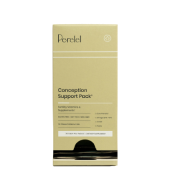
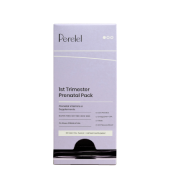
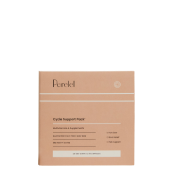
Our 1st Trimester Prenatal Pack includes ginger in the anti-nausea blend specifically for this reason. It's paired with vitamin B6, which brings us to the next remedy.*
3. Vitamin B6
Vitamin B6 (pyridoxine) is one of the first-line recommendations from ACOG for treating pregnancy nausea . It helps by supporting the neurotransmitter pathways involved in the body's nausea response, and research consistently shows it can reduce both the frequency and severity of symptoms.
Effective doses in pregnancy studies have ranged from 10 to 25 mg, taken multiple times per day. Many OB/GYNs also recommend combining B6 with doxylamine (an over-the-counter antihistamine) for more persistent symptoms. That combination has been studied extensively and is considered safe during pregnancy.
If you're already taking a prenatal that includes B6, you're getting a baseline level of support. Talk with your provider about whether additional supplementation makes sense for your symptoms.
4. Rethink How You Hydrate
Dehydration can make nausea worse, but chugging a full glass of water on an upset stomach can backfire. The key is to sip small amounts throughout the day rather than drinking large volumes at once.
A few approaches that tend to work:
- Sip water between meals, not during them (fluids with food can increase that overly full, nauseous feeling)
- Try adding lemon, lime, or cucumber to cold water for a more settling flavor
- Sparkling water or mineral water can help, as carbonation may reduce stomach acidity for some women
- Popsicles and ice chips are good options when even sipping feels like too much
If vomiting is frequent, staying on top of hydration becomes even more important. Electrolyte drinks can help replace what you're losing.
5. Go Cold Over Hot
This one flies under the radar, but temperature matters when nausea is involved. Hot foods tend to have stronger aromas, and during pregnancy, your sense of smell is heightened. That combination can be a fast track to feeling worse.
Cold or room-temperature foods are often easier to tolerate:
- Sandwiches, wraps, or salads
- Yogurt, cottage cheese, or smoothies
- Fresh fruit like watermelon, grapes, or berries
- Cold cereal with milk
If the idea of a hot meal makes you recoil, trust that instinct. Your body is giving you useful information.
6. Prioritize Protein
Protein-rich foods help stabilize blood sugar and digest more slowly, both of which can help keep nausea at bay. Research suggests that meals higher in protein tend to be more effective at reducing nausea than meals high in carbohydrates.
Low-effort, high-protein options that tend to work well during nausea include:
- Hard-boiled eggs
- Greek yogurt
- Cheese cubes or string cheese
- Nut butter on toast or crackers
- A smoothie with our Triple-Support Protein , which delivers 20g of plant-based pea protein and blends easily into a cold drink when solid food is the last thing you want*
7. Acupressure
Applying pressure to the P6 (Nei Guan) point on the inside of your wrist, about three finger-widths below the base of your palm, has been used for centuries to manage nausea. The evidence is mixed but promising, and many women report meaningful relief.
Acupressure wristbands (often marketed as sea bands) apply continuous pressure to this point and can be worn throughout the day. They're inexpensive, drug-free, and easy to try. Some women also find relief through professional acupuncture sessions, though availability and cost can vary.
8. Manage Your Scent Environment
Pregnancy turns your sense of smell into a superpower you didn't ask for. Scents that never bothered you before, cooking smells, perfumes, certain cleaning products, even the inside of your car, can suddenly trigger waves of nausea.
A few ways to get ahead of it:
- Open windows when cooking (or better yet, let someone else cook for a while)
- Switch to fragrance-free household and personal care products
- Keep a lemon or peppermint essential oil nearby to sniff when a triggering smell hits
- Eat in well-ventilated spaces
You're not being dramatic. Hormonal changes genuinely amplify olfactory sensitivity during pregnancy, and managing your environment is a legitimate strategy.
9. Get Fresh Air and Gentle Movement
When nausea is at its worst, the instinct is to curl up and stay still. For many women, a short walk outside or even just sitting near an open window can help reset the nervous system and ease symptoms.
Gentle movement supports circulation and may help regulate the digestive system. A five to 10-minute walk, some light stretching, or a few minutes of fresh air can be enough to take the edge off without overexerting yourself.
10. Protect Your Sleep
Fatigue and nausea feed off each other. When you're exhausted, nausea tends to feel worse. When nausea keeps you up or wakes you early, exhaustion compounds. Breaking that cycle starts with protecting your sleep as much as possible.
That can look like:
- Going to bed earlier, even if it feels absurdly early
- Keeping snacks on the nightstand so middle-of-the-night hunger doesn't trigger nausea
- Napping during the day when you can
- Limiting screen time before bed to support your body's natural wind-down
Sleep won't cure nausea, but running on empty makes every symptom harder to manage.
When Nausea Goes Beyond "Normal"
For most women, pregnancy nausea is uncomfortable but manageable. But if you're experiencing any of the following, reach out to your healthcare provider:
- Vomiting multiple times a day and unable to keep food or liquids down
- Losing weight
- Signs of dehydration (dark urine, dizziness, dry mouth)
- Nausea that persists well into the second trimester or suddenly appears later in pregnancy
These can be signs of hyperemesis gravidarum , a more severe condition that affects a smaller percentage of women and may require medical intervention. There's no reason to push through it alone, and your provider has safe treatment options available.
A Note on Prenatals and Nausea
Here's something that surprises a lot of women: your prenatal vitamin can actually make nausea worse. Iron, in particular, is a common culprit.
If swallowing your prenatal triggers a wave of queasiness, a few things can help:
- Take your prenatal with food or right before bed
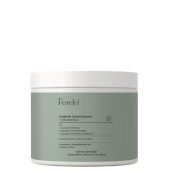
- If pills are the problem, our 1st Trimester Prenatal Powder was formulated for exactly these days. It blends into a smoothie and delivers key nutrients like methylfolate, choline, and B6 without the iron that often aggravates nausea*
- Pair your daily pack with your largest meal for the best tolerability
Skipping your prenatal shouldn't be the default solution. There are ways to get the nutrients you and your baby need without making yourself feel worse.
The Bottom Line
Pregnancy nausea is one of those things that's “normal” and still genuinely miserable. You're allowed to be over it while also knowing it will pass. In the meantime, small, consistent strategies add up. You don't need to overhaul your entire life. You just need a few things that work for your body and the grace to take it one day at a time.
Curious about building a first-trimester routine with built-in nausea support? Take our quiz to find the right Perelel plan for where you are right now.
Frequently Asked Questions
When does pregnancy nausea usually start and stop?
Nausea typically begins around week six and improves by weeks 12 to 14. Some women experience it longer, and a small percentage deal with it throughout pregnancy.
Is morning sickness a sign of a healthy pregnancy?
Many providers consider nausea a positive sign that the placenta is developing well. That said, not experiencing nausea is also completely normal and doesn't indicate a problem.
Can pregnancy nausea come back in the third trimester?
It can. Some women experience a return of nausea later in pregnancy, often related to the baby putting increased pressure on the stomach and digestive system. Hormonal shifts in the final weeks can also play a role. If nausea reappears suddenly or is severe, let your provider know so they can rule out other causes.
Can I take ginger and vitamin B6 together?
Yes. Both are considered safe during pregnancy, and our 1st Trimester Prenatal Pack combines them in an anti-nausea blend formulated by OB/GYNs.*
What should I eat when nothing sounds good?
Start with whatever you can tolerate, even if it's just crackers or plain toast. Cold foods, bland carbs, and small amounts of protein tend to be the easiest to keep down.
When should I call my doctor about nausea?
If you're vomiting multiple times a day, losing weight, showing signs of dehydration, or if nausea is preventing you from functioning, contact your provider. Safe treatment options are available.
Does pregnancy nausea get worse with twins or multiples?
It can, yes. Higher levels of hCG, the hormone closely linked to pregnancy nausea, are more common in multiple pregnancies. That doesn't mean every twin pregnancy comes with worse nausea, but if your symptoms feel especially intense, it's worth mentioning to your provider.
Sources:
Morning Sickness: When It Starts, Treatment and Prevention | Cleveland Clinic
Morning Sickness: Nausea and Vomiting of Pregnancy | ACOG
Ginger for the Treatment of Nausea and Vomiting in Pregnancy | AAFP
ACOG Guidelines at a Glance: Nausea and Vomiting of Pregnancy | Contemporary OB/GYN
Morning Sickness Remedies | American Pregnancy Association
10 Foods That Fight Nausea During Pregnancy | The Mother Baby Center
Hyperemesis Gravidarum: Causes, Symptoms & Treatment | Cleveland Clinic